Indigenous art carries stories, memories, teachings and connections that can reach across generations. Some traditional art forms, however, have become increasingly rare. Birch bark biting is one of these remarkable practices, and Manitoba artist Halfmoon Woman, also known as Pat Bruderer, has dedicated more than three decades to preserving, teaching and sharing it.
As a Birch Bark Biting Artist, Halfmoon Woman creates intricate designs by folding a thin layer of birch bark and carefully biting the material with her teeth. The resulting patterns reveal a distinctive combination of symmetry, patience, skill and cultural knowledge.
Her work demonstrates how traditional Indigenous art can honour the past while continuing to evolve in the present. Based in Winnipeg, Manitoba, Halfmoon Woman shares her knowledge through artwork, exhibitions, cultural teachings and hands-on workshops.
Who Is Halfmoon Woman?
Halfmoon Woman, Pat Bruderer, is a proud member of the Peter Ballantyne Cree Nation, also known as Assin’skowitiniwak, the Rocky Cree. She was born and raised in Churchill, Manitoba, and has maternal roots in Southend Reindeer Lake and Pukatawagan.
Her connection to family, community, land and cultural knowledge has deeply influenced her artistic practice.
Inspired by the late Angélique Merasty of Flin Flon, Manitoba, Halfmoon Woman became a self-taught practitioner of birch bark biting. Over more than 30 years, she has developed her own artistic practice while working to pass this rare tradition forward.
For Halfmoon Woman, creating art is not simply about producing beautiful objects. It is also about responsibility, memory and connection. Her approach reflects the importance of Indigenous Art Canada and the role artists play in keeping cultural knowledge visible for future generations.
What Is Birch Bark Biting?
Birch bark biting is a rare Indigenous art form created using a thin, single layer of birch bark. The artist folds the bark and uses their teeth to make carefully positioned impressions.
When the bark is unfolded, the impressions create symmetrical and often intricate designs.
Unlike many forms of artwork that depend on brushes, pencils or carving tools, birch bark biting relies on the artist’s teeth, hands, vision and understanding of the material. This makes the practice particularly distinctive.
Historically, birch bark itself had many practical uses. It could be used for items such as canoes and cooking vessels and was also associated with medicinal practices. Birch bark biting could be used to develop patterns for beadwork and clothing, share stories and record elements of ceremony.
Today, the practice is extremely rare, making the work of a Birch Bark Biting Artist especially significant.
A Traditional Art Form With a Contemporary Future
One of the most compelling aspects of Halfmoon Woman’s work is the relationship between tradition and contemporary creativity.
Rather than treating traditional art as something that belongs only to the past, she demonstrates how cultural knowledge can continue to inspire new forms of expression.
Her birch bark designs have been presented internationally and are held in museums, galleries and private collections. Her artistic practice has also expanded into fashion and contemporary design.
Through this work, a traditional birch bark biting artist can connect an ancient practice with modern audiences, materials and technologies.
Her approach shows that preserving tradition does not necessarily mean keeping it unchanged. It can also mean carrying its knowledge, meaning and spirit forward while exploring new creative possibilities.
The Meaning Behind Halfmoon Woman’s Art
For Halfmoon Woman, birch bark biting represents much more than a technical process.
Her artist statement describes a connection between light and shadow, teeth and bark, and the impressions created through the artistic process. Each piece reflects experiences from her life and the teachings that have influenced her.
Family is also an important part of her artistic identity. She speaks about her mother’s resilience and the way that spirit continues to influence her creative work.
This connection between personal experience and cultural knowledge gives her artwork a strong sense of story.
As an Indigenous Artist from Manitoba’? Halfmoon Woman demonstrates how individual artistic expression can exist alongside broader cultural responsibility. Her work creates opportunities for audiences to learn about Indigenous knowledge while experiencing an unusual and highly skilled artistic practice.
Preserving Indigenous Art in Manitoba
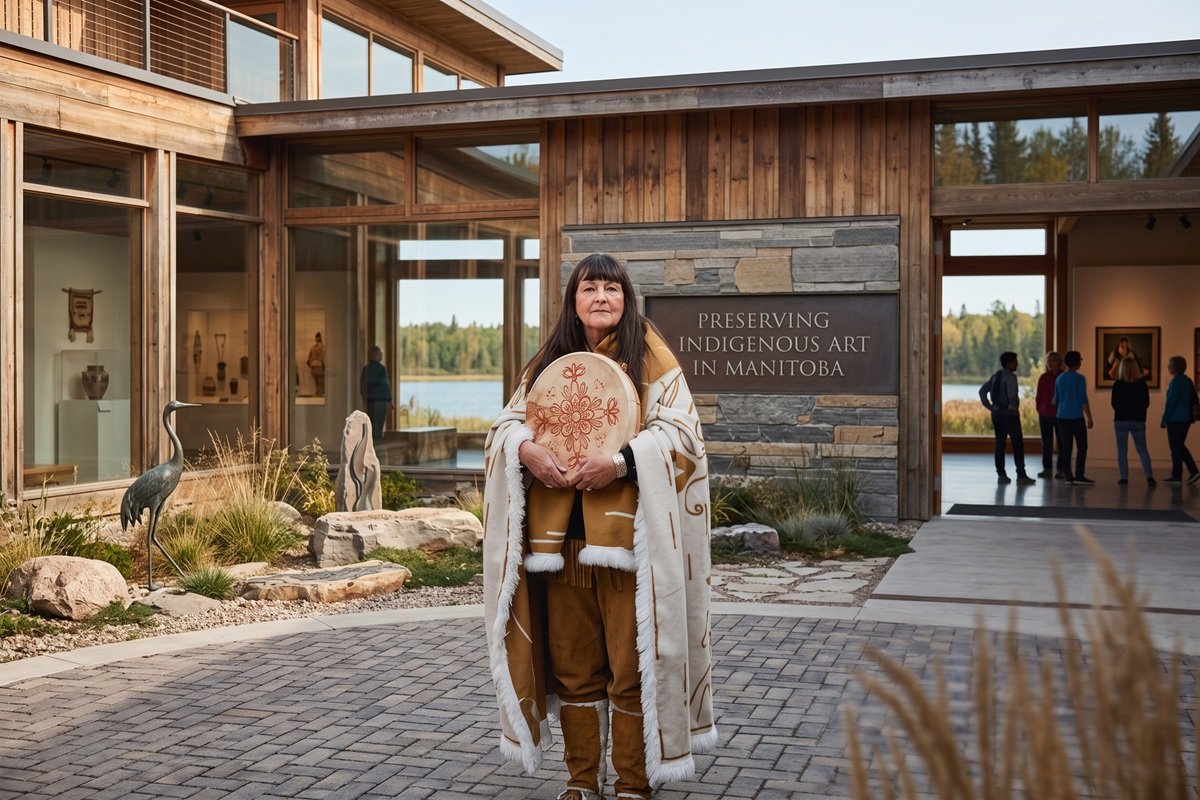
Manitoba has a rich Indigenous artistic and cultural landscape, where artists play an important role in keeping traditional knowledge and creative practices visible and alive.
As an Indigenous artist in Canada, Halfmoon Woman’s work brings attention to birch bark biting, a traditional Indigenous art form that many people may never have encountered before. Through her practice, she introduces audiences to the process, history, and cultural significance of this intricate art form.
Her work reflects the importance of preserving Indigenous art not simply as something from the past, but as living knowledge that continues to evolve. By demonstrating traditional techniques, sharing cultural knowledge, and incorporating birch bark biting into contemporary artistic practice, she creates opportunities for people to learn about and connect with Indigenous traditions.
Preserving Indigenous art means supporting the artists who carry this knowledge forward, creating space for cultural learning, and ensuring that future generations have opportunities to discover, practice, and engage with these traditions.
Biting Back Our Cultural Resilience
Halfmoon Woman’s exhibition, Biting Back Our Cultural Resilience, explores birch bark biting, Indigenous culture, resilience and contemporary design.
The exhibition brings together original birch bark bitings with contemporary pieces inspired by those designs. Modern technologies such as laser etching and digital printing are used to transfer biting patterns onto materials including hide, bone, wood and copper.
The exhibition also incorporates elements such as beads and fur, with fashion designs creating a fully embodied presentation.
This approach creates a conversation between original artwork and contemporary design.
The exhibition’s story moves through different periods, from life before colonization through the impacts of colonialism and toward the future. It explores themes of survival, cultural resilience, tradition and hope.
Threads of Resilience Through Art and Fashion
Fashion has become another important part of Halfmoon Woman’s creative practice.
With more than 40 years of experience designing clothing, she brings together traditional inspiration and contemporary fashion. Her birch bark designs have helped influence garments and other creative pieces that communicate cultural stories through materials, patterns and form.
Her work demonstrates the diversity of Indigenous art in Canada, showing how traditional and contemporary practices can take many forms. Indigenous art can exist within traditional objects, gallery exhibitions, fashion, textiles, digital processes, and community education.
This flexibility allows Indigenous artists to reach audiences in different ways while maintaining connections to cultural knowledge.
Learning Through Indigenous Art Workshops
Indigenous art workshops art and cultural workshops for schools, classrooms, community groups, organizations, corporate teams and special events. These experiences can include birch bark biting, traditional art, storytelling and cultural teachings.
For participants, birch bark biting workshops provide an opportunity to experience an unusual artistic practice in a hands-on setting.
Rather than simply viewing artwork in a gallery, participants have the opportunity to learn about the materials, process, and cultural context behind birch bark biting. They will also have the chance to create their own birch bark biting artwork, gaining a hands-on understanding of this unique Indigenous art form.
Indigenous art workshops in Canada provide valuable opportunities for people to learn, connect, and engage with Indigenous artistic traditions. These workshops create space for conversation and cultural learning while building connections between artists, communities, and audiences.
Workshops can also be adapted to different audiences and ages, making traditional art accessible in educational and community settings.
Preservation also happens through teaching.
Why Birch Bark Biting Matters Today
The importance of birch bark biting goes beyond its rarity.
Every traditional art form carries knowledge about materials, creativity, community and history. When a practice becomes less common, opportunities to learn that knowledge can also become limited.
The work of a Birch Bark Biting Artist like Halfmoon Woman helps ensure that this artistic practice remains visible and continues to inspire curiosity.
Her approach is also an example of how cultural resilience can be expressed through creativity. By teaching, exhibiting and creating new work, she demonstrates that Indigenous traditions can remain relevant in contemporary life.
A traditional birch bark biting artist in Canada is not simply recreating something from history. Through their practice, they are actively participating in the ongoing story of the tradition, helping to keep this unique Indigenous art form alive and creating opportunities for others to learn about it.
Passing a Tradition to Future Generations
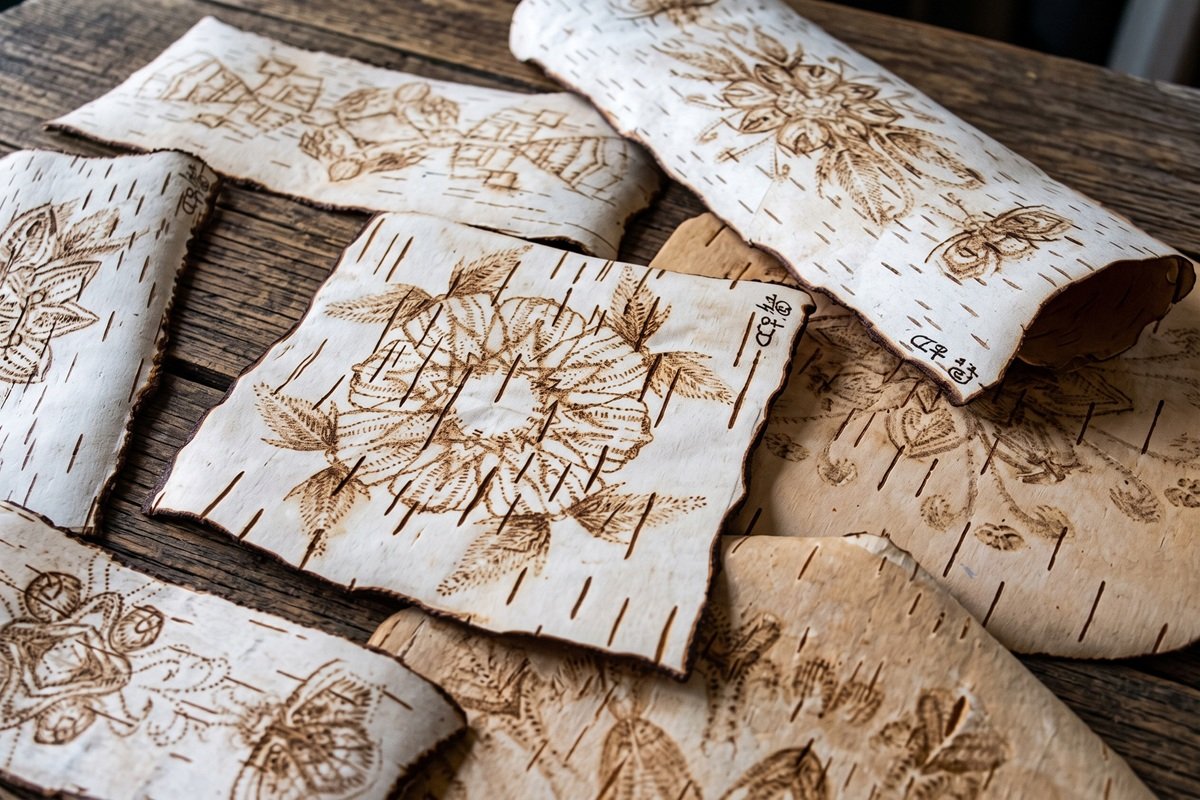
Halfmoon Woman describes her work as “Passing a Tradition.” This idea is central to her artistic practice.
Preserving a tradition means more than creating artwork. It involves sharing knowledge, encouraging appreciation and helping others understand why a cultural practice has meaning.
Through exhibitions, workshops, storytelling and contemporary design, Halfmoon Woman creates different pathways for people to encounter birch bark biting.
Her work shows how an Indigenous birch bark biting artist in Canada can help bridge generations—honouring traditional teachings while creating space for new interpretations and expressions of the art form in the future.
Experience Halfmoon Woman’s Work
Halfmoon Woman’s art offers a rare opportunity to experience an Indigenous tradition through an artist who has spent decades developing and sharing her practice.
Her birch bark bitings, fashion work, exhibitions and educational programs demonstrate the strength of cultural knowledge and the importance of passing traditions forward.
Whether experienced through an exhibition, an educational program or birch bark biting workshops, her work invites audiences to slow down, look closely and consider the relationships between art, land, memory, family and community.
As a Birch Bark Biting Artist, Halfmoon Woman continues to preserve a rare art form while bringing it into contemporary spaces.
Her story is ultimately one of creativity and resilience: a story of learning from those who came before, carrying knowledge forward and creating new opportunities for future generations to connect with Indigenous art and culture.
Conclusion
Halfmoon Woman’s work is a powerful example of how Indigenous art and traditional knowledge can continue to thrive in the modern world. Through more than three decades of dedication, she has helped preserve the rare practice of birch bark biting while sharing its stories, meaning and cultural importance with new audiences.
As a Manitoba Indigenous artist, Halfmoon Woman brings together traditional techniques, contemporary design, cultural teachings and community education. Her exhibitions and workshops create meaningful opportunities for people to learn about Indigenous art while experiencing a unique artistic tradition firsthand.
Her commitment to “Passing a Tradition” demonstrates that preserving cultural knowledge is not only about looking to the past—it is also about creating a future where these traditions can continue to be learned, respected and celebrated.
FAQs
What is birch bark biting?
Birch bark biting is a rare Indigenous art form created by carefully folding a thin piece of birch bark and using the teeth to make impressions. When the bark is unfolded, the impressions form intricate and often symmetrical designs.
Who is Halfmoon Woman?
Halfmoon Woman, also known as Pat Bruderer, is a Manitoba Indigenous artist and a leading practitioner of birch bark biting. She is a member of the Peter Ballantyne Cree Nation and has practiced and shared this traditional art form for more than 30 years.
Does Halfmoon Woman offer birch bark biting workshops?
Yes. Halfmoon Woman offers cultural and art workshops for schools, classrooms, community groups, organizations, corporate teams and special events. Workshops can include birch bark biting, traditional art, storytelling and cultural teachings.