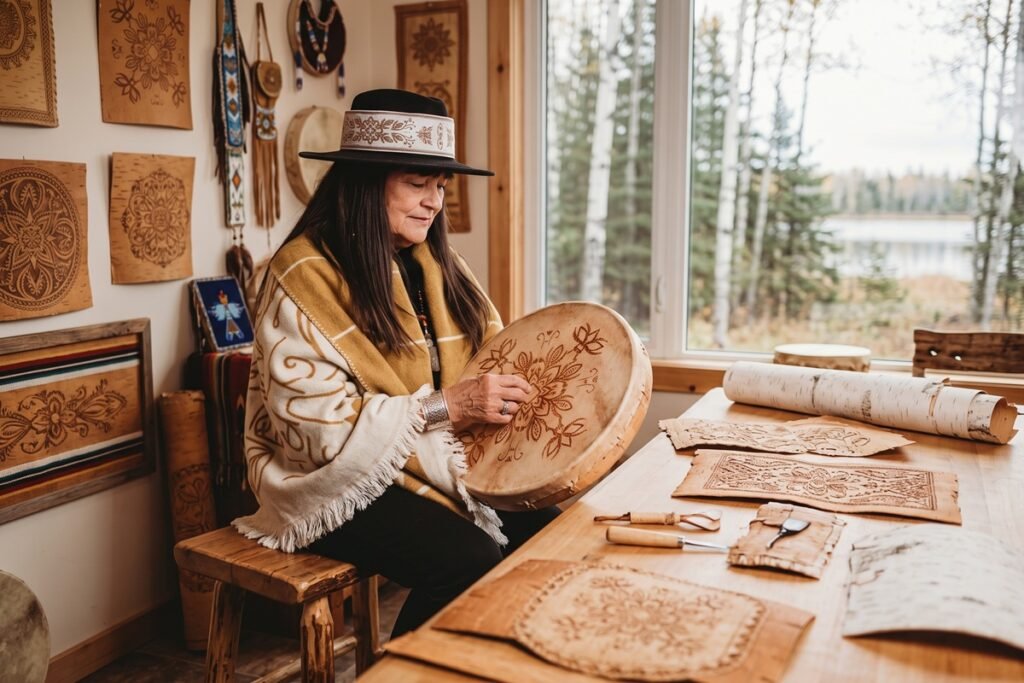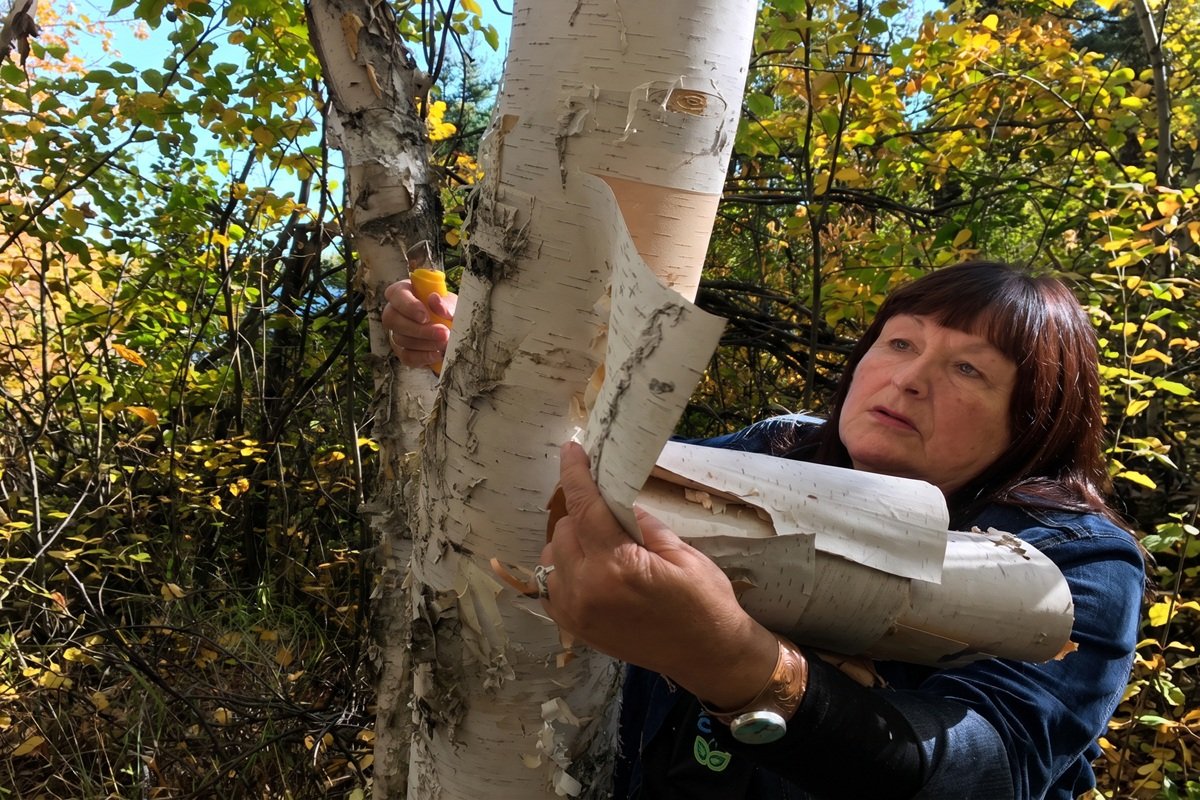
Art can preserve stories, connect generations, and provide a meaningful way to celebrate cultural traditions. In Manitoba, the traditional practice of birch bark biting represents a remarkable form of artistic expression rooted in Indigenous culture and knowledge. Among the artists helping share and preserve this distinctive art form is Halfmoon Woman, a Manitoba artist whose work introduces audiences to the beauty, patience, and cultural significance of birch bark art.
Birch bark biting is more than simply creating patterns on a piece of bark. It is a traditional practice that transforms a natural material into intricate designs through careful folding and biting. The resulting patterns can reveal remarkable symmetry and detail, demonstrating both artistic creativity and a deep relationship with the natural world.
What Is Birch Bark Biting?
Birch bark biting is a traditional Indigenous art practice that uses thin pieces of birch bark as the canvas. An artist folds the bark and carefully bites or presses it in specific places. When the bark is unfolded, the marks create symmetrical patterns and designs.
The process requires precision and patience. Because the artist works with a natural material, every piece of bark can have its own characteristics. Its thickness, texture, flexibility, and natural markings can all influence the finished artwork.
The technique is especially fascinating because symmetry is created through the folding process. A small number of carefully placed marks can produce a much larger and more complex design when the bark is opened.
For viewers unfamiliar with the practice, the finished pieces may look simple at first. A closer look, however, reveals the incredible amount of thought and skill involved in creating them.
Meet Halfmoon Woman
Halfmoon Woman is a Manitoba artist associated with the preservation and sharing of traditional birch bark biting. Through her artistic practice and educational work, she helps introduce people to an art form that carries cultural knowledge and a strong connection to nature.
Her work provides an opportunity for audiences to learn about the traditional techniques behind birch bark biting while appreciating the beauty of the finished pieces.
For Halfmoon Woman, the art is not simply about producing decorative designs. It is also about maintaining a connection with a cultural practice and helping others understand why traditional art forms continue to matter.
Her work demonstrates how an artist can serve as both a creator and a cultural educator.
The Connection Between Birch Bark and Nature
One of the most meaningful aspects of birch bark biting is its connection to the natural environment. Birch trees have long been important within Indigenous communities, providing a versatile natural material that can be used for artistic, practical, and cultural purposes.
Working with birch bark requires an understanding of the material. Artists must know how to select suitable bark and work with its natural qualities rather than treating it like an ordinary sheet of paper.
This relationship between material and artist is an important part of the experience.
Instead of beginning with a manufactured surface, the artist starts with something provided by nature. The bark already has its own texture, colour, and character. The artist then adds a design while respecting the natural material.
This makes every piece of birch bark art unique.
A Traditional Art Form Built Around Patience
Modern life often encourages people to create things quickly. Birch bark biting offers a very different experience.
The process requires concentration, control, and patience. The artist must carefully fold the bark and make deliberate marks. A small mistake can affect the symmetry or appearance of the final design.
This patience is part of what makes the tradition so fascinating.
When the bark is unfolded, the artist can reveal a pattern that was created through a relatively simple but highly skilled process. The transformation from folded bark to symmetrical artwork gives the practice a special sense of discovery.
Halfmoon Woman’s work helps demonstrate that traditional art does not have to be complicated in its materials to be sophisticated in its execution.
The Importance of Preserving Traditional Art
Traditional art forms can face challenges when fewer people have opportunities to learn them. Cultural knowledge can be difficult to maintain if techniques are not passed between generations or shared with wider communities.
Artists such as Halfmoon Woman play an important role in keeping traditional practices visible.
Preservation does not necessarily mean leaving an art form unchanged. It can also mean creating opportunities for people to learn about the tradition, understand its origins, appreciate its techniques, and recognize its continuing cultural importance.
Through demonstrations, workshops, artwork, and storytelling, traditional artists can create connections between the past and the present.
This is especially valuable for younger generations who may encounter traditional practices through contemporary educational and cultural programs.
Learning Through Workshops and Demonstrations
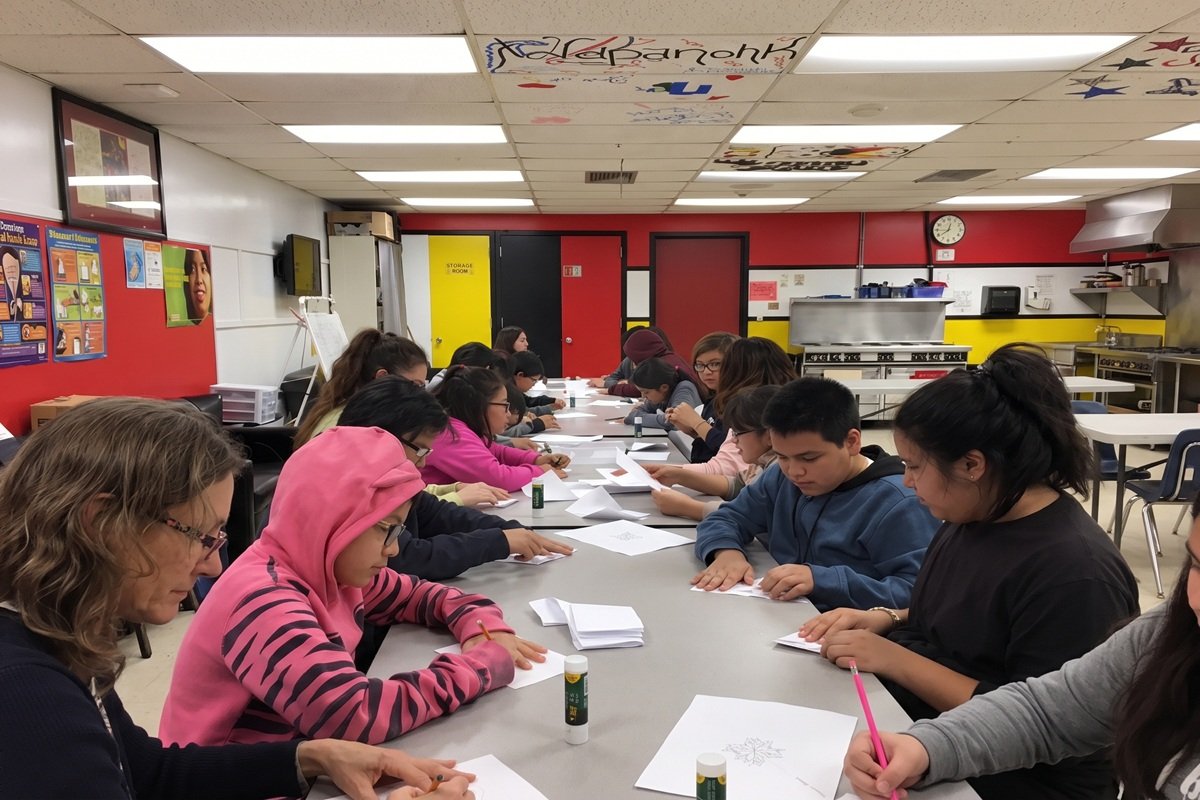
One of the best ways to understand an art form is to experience its process.
Birch bark biting can be difficult to fully appreciate from photographs alone. Watching an artist’s work provides a better understanding of the precision involved and shows how a simple piece of bark can become a detailed symmetrical design.
Educational workshops can also encourage people to ask questions and learn about the cultural background of the practice.
For audiences attending a workshop with Halfmoon Woman, the experience can be more than an art lesson. It can provide an introduction to a traditional practice, the natural materials involved, and the importance of cultural preservation.
Hands-on learning can make traditional art more accessible while encouraging respect and appreciation for the knowledge behind it.
Birch Bark Biting as Storytelling
Art has always been a powerful way to communicate ideas and preserve stories.
Although individual birch bark designs can vary, the practice itself represents a form of cultural expression. Patterns, shapes, and techniques can provide a connection to traditional knowledge and the natural environment.
The artwork becomes a physical reminder that cultural traditions can survive through creative practice.
This is one reason the work of Halfmoon Woman is meaningful beyond the individual pieces she creates. Her art helps create a conversation about heritage, identity, nature, and the importance of passing knowledge forward.
Why Manitoba Is an Important Setting
Manitoba provides a natural and cultural setting where Indigenous artistic traditions continue to be practiced and shared.
The province’s forests, lakes, rivers, and diverse landscapes provide an important connection to the natural materials used in traditional arts. Birch trees, in particular, are part of the northern landscape and have long been associated with a variety of traditional uses.
For a Manitoba artist, working with birch bark creates an opportunity to connect art with place.
The landscape is not simply a backdrop. It can become part of the story behind the artwork.
This relationship between land, material, culture, and creativity is one of the reasons traditional Manitoba art continues to attract interest from local communities and visitors.
Keeping the Tradition Alive for Future Generations
Cultural preservation depends on people being willing to learn, practice, teach, and share.
The continued work of artists such as Halfmoon Woman helps ensure that birch bark biting remains visible rather than becoming simply a historical reference.
When traditional art is demonstrated and taught, new audiences can discover its value. Children and adults can learn that cultural traditions are living practices that can continue to develop while maintaining their connection to the past.
The future of birch bark biting depends on opportunities for knowledge to be shared respectfully. Artists, educators, cultural organizations, communities, and audiences all have a role to play in supporting traditional art.
By learning about these practices and supporting the artists who preserve them, people can contribute to a broader appreciation of Indigenous cultural heritage.
Experience the Art of Halfmoon Woman
The work of Halfmoon Woman offers a fascinating look at the traditional art of birch bark biting and the cultural knowledge connected to it.
Her art reminds us that meaningful creativity does not always require modern technology or complicated materials. Sometimes, a natural piece of bark, a skilled artist, and a traditional technique can tell a powerful story.
Through her work, Halfmoon Woman helps bring attention to a distinctive Manitoba tradition while encouraging people to appreciate the patience, skill, and cultural knowledge behind each piece.
Whether you are interested in Indigenous art, traditional crafts, Manitoba culture, or nature-inspired artwork, birch bark biting provides an opportunity to discover something unique.
Most importantly, learning about this tradition encourages us to think about how cultural knowledge is preserved and passed from one generation to the next.
Conclusion
Halfmoon Woman represents the important role artists can play in preserving traditional cultural practices. Through birch bark biting, she shares an art form that connects creativity with nature, patience, heritage, and storytelling.
The delicate designs created from folded birch bark demonstrate how traditional knowledge can produce remarkably sophisticated artwork. At the same time, the practice reminds us that cultural traditions remain meaningful when they are respected, practiced, taught, and shared.
In Manitoba, birch bark biting continues to offer a unique window into Indigenous artistic traditions. Artists like Halfmoon Woman help ensure that this knowledge remains visible and appreciated by new audiences.
By discovering her work and learning about the process behind birch bark art, we can gain a deeper appreciation for the cultural traditions that continue to shape Manitoba’s artistic landscape.
FAQs
Who is Halfmoon Woman?
Halfmoon Woman is a Manitoba artist known for practicing and sharing the traditional art of birch bark biting, helping preserve this unique Indigenous art form for future generations.
What is birch bark biting?
Birch bark biting is a traditional Indigenous art technique in which an artist folds thin birch bark and carefully bites or marks it to create detailed, symmetrical designs when the bark is unfolded.
Why is birch bark biting important?
Birch bark biting is important because it connects art, nature, cultural knowledge, and traditional practices. Artists such as Halfmoon Woman help keep this distinctive Manitoba tradition alive by practicing and teaching the art form.