Birch Bark Biting: A Unique Indigenous Art Form Passed Through Generations
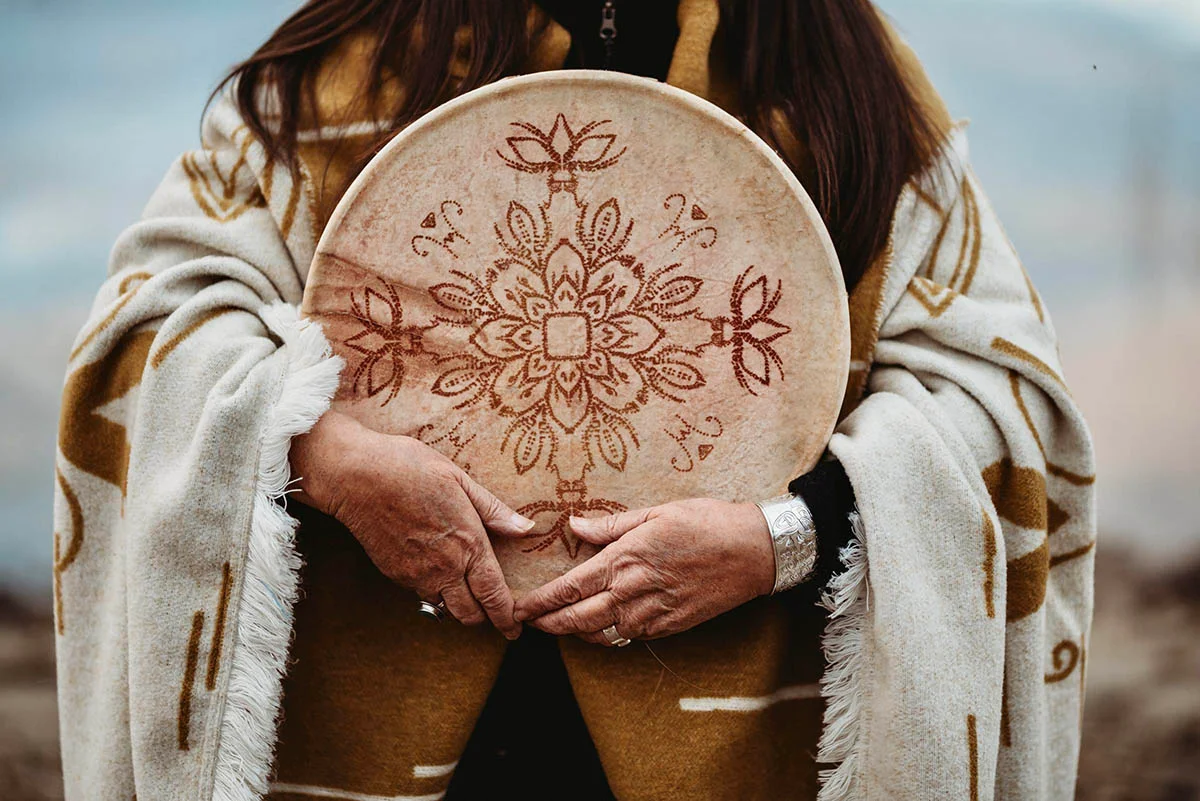
Indigenous art carries generations of knowledge, creativity, cultural identity, and connections to the natural world. Among the many traditional art forms found across Indigenous communities in Canada, birch bark biting holds a special place. This remarkable practice transforms a simple piece of birch bark into intricate patterns and beautiful designs using a technique that requires patience, skill, and a deep understanding of natural materials.
Known as Wiigwaasowin in Anishinaabe, birch bark biting is a traditional art form that reflects the relationship between Indigenous peoples and the environment. Although this practice faced challenges as generations changed and traditional knowledge became less widely shared, dedicated artists continue to help preserve its cultural importance.
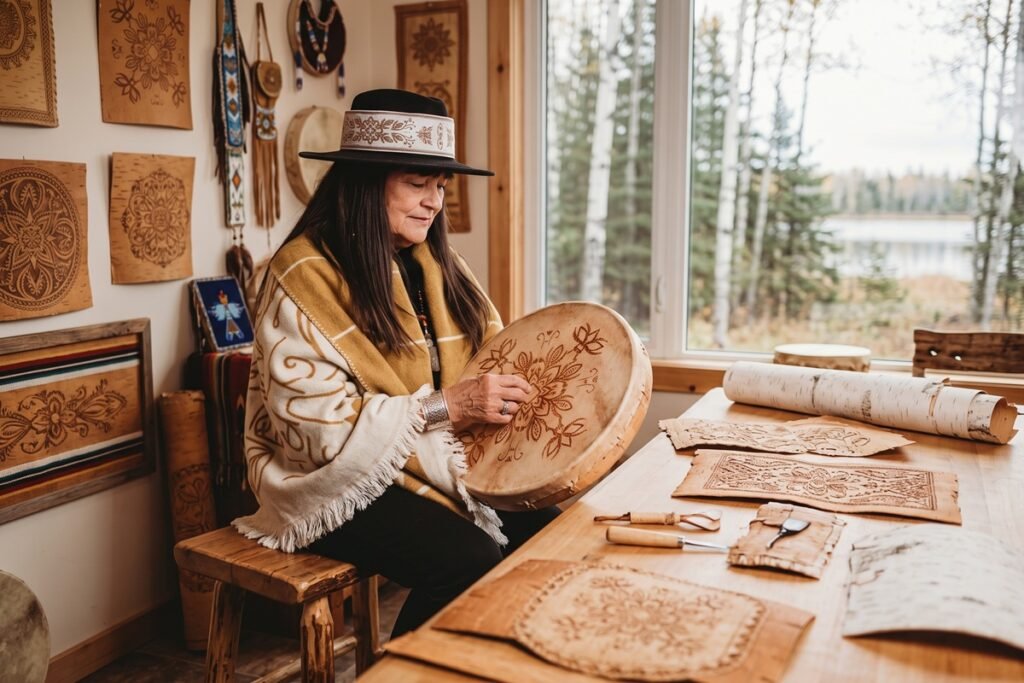
One such artist is Halfmoon Woman, a Manitoba-based Traditional Birch Bark Biting Artist who works to keep this meaningful Indigenous art form alive through her artistic practice, cultural knowledge, and educational activities.
What Is Birch Bark Biting?
Birch bark biting is a traditional Indigenous art technique that involves folding a thin piece of birch bark and carefully biting along its folded edges to create symmetrical patterns. When the bark is unfolded, the result reveals a detailed design that can include geometric shapes, natural patterns, and creative forms.
Unlike many modern art techniques that depend on pencils, brushes, or carving tools, this traditional practice uses the artist’s teeth and the natural flexibility of birch bark. The process requires precision because each bite contributes to the final pattern.
The designs can be simple or highly detailed, depending on the artist’s experience and imagination. The natural texture and colour of the bark also contribute to the appearance of each creation, making every piece distinctive.
Birch bark biting is more than a creative activity. It represents traditional knowledge, artistic expression, and a cultural connection that has been shared across generations.
The History of Traditional Birch Bark Biting
Birch bark has long been an important natural material for many Indigenous communities throughout Canada. Its usefulness, flexibility, and availability made it valuable for different traditional purposes, including containers, canoes, decorations, and artistic creations.
Birch bark biting developed as a distinctive way of creating designs from this natural material. Traditionally, artists used their knowledge of the bark’s texture and seasonal characteristics to produce intricate patterns.
The practice was particularly associated with Anishinaabe communities, where artistic knowledge and techniques were passed between generations. Elders and experienced artists played an important role in sharing their understanding of materials, designs, and cultural practices.
However, like many traditional Indigenous art forms, birch bark biting experienced periods when fewer people practised it. Changes in lifestyles, cultural disruption, and reduced opportunities to learn directly from experienced artists contributed to the decline of this specialized knowledge.
Today, artists and cultural educators are helping renew interest in this traditional practice. Their efforts demonstrate why preserving Indigenous art is important for future generations.
How Is Birch Bark Biting Created?
Creating birch bark biting artwork involves several steps. Although the technique may appear simple at first, producing detailed and balanced patterns requires patience, careful preparation, and practice.
1. Selecting the Right Birch Bark
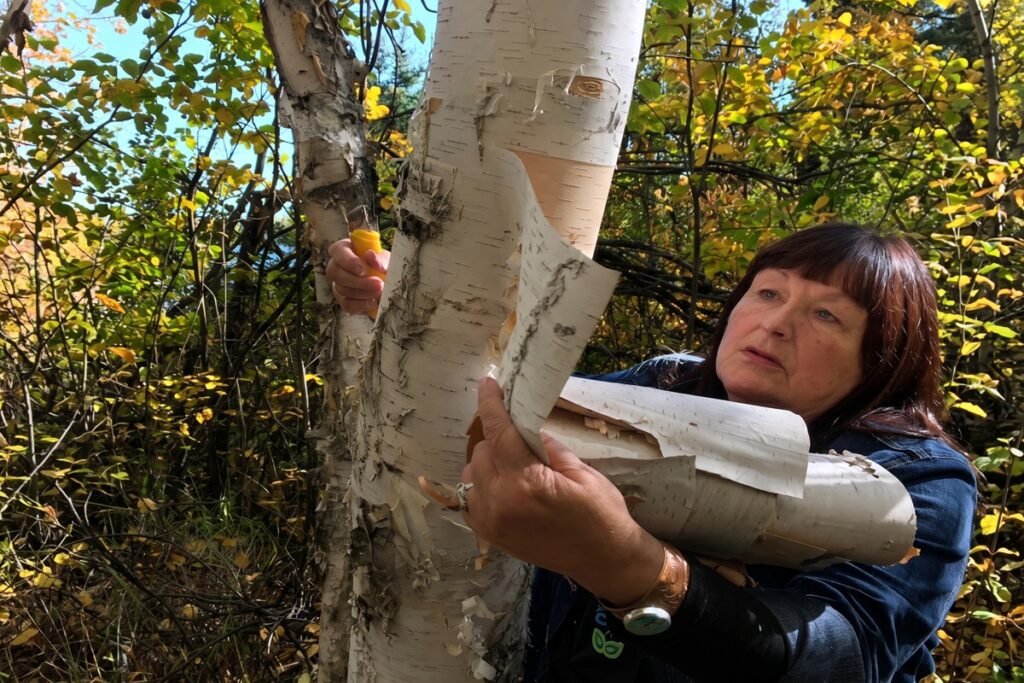
The process begins with choosing suitable birch bark. Artists need bark that is thin and flexible enough to fold without breaking. Its condition and texture can influence how easily a design can be created.
Respectful harvesting is also important. Traditional relationships with the natural environment encourage thoughtful use of natural materials.
2. Preparing the Bark
After selecting the material, the artist prepares a small piece of bark. Depending on its condition, it may need careful handling or softening to make it easier to fold.
The goal is to create a workable surface without damaging the bark.
3. Folding the Material
The bark is folded carefully to create a symmetrical working surface. Folding allows the artist to create matching patterns on different sections of the material.
The number and direction of folds can influence the final design.
4. Creating Patterns Through Biting
This is the most distinctive part of the process. The artist gently bites along selected edges of the folded bark to form small cuts, curves, and patterns.
Each movement must be controlled because the bark is delicate. A small change in the placement or pressure of a bite can affect the overall design.
5. Unfolding the Artwork
Once the biting process is complete, the bark is carefully unfolded. The symmetrical pattern becomes visible, revealing the design created through the artist’s technique and imagination.
The finished artwork demonstrates how a natural material can become a meaningful expression of creativity and cultural knowledge.
Why Is Birch Bark Biting Important to Indigenous Culture?
Birch bark biting represents more than an artistic technique. It reflects cultural knowledge, traditional skills, and the relationship between Indigenous communities and the natural environment.
For many Indigenous artists, traditional art provides a way to maintain connections with their ancestors and share cultural knowledge with younger generations.
There are several reasons why this practice remains important.
Preserving Traditional Knowledge: Birch bark biting carries specialized knowledge about natural materials, traditional techniques, and artistic practices. Teaching these skills helps prevent important cultural knowledge from disappearing.
Connecting Generations: Learning traditional art creates opportunities for elders, experienced artists, and younger learners to share knowledge and experiences.
Celebrating Indigenous Identity: Traditional artwork provides a meaningful way to express cultural identity, creativity, and community heritage.
Building Cultural Awareness: Demonstrations, exhibitions, and workshops help introduce more people to Indigenous artistic traditions and encourage respect for their cultural significance.
Through these connections, birch bark biting continues to represent an important part of Indigenous artistic heritage.
Meet Halfmoon Woman: Preserving a Traditional Art Form in Manitoba
Keeping traditional art alive requires dedication, knowledge, and a willingness to share skills with others. Halfmoon Woman is a Manitoba-based artist whose work focuses on Traditional Birch Bark Biting.
Through her artistic practice, she helps bring attention to a unique Indigenous art form that deserves recognition and continued appreciation.
Her work offers an opportunity for people to learn about the creativity involved in birch bark biting and understand the cultural importance behind each design.
As a Traditional Birch Bark Biting Artist, Halfmoon Woman contributes to the preservation of this specialized practice by sharing her knowledge and encouraging greater awareness of Indigenous artistic traditions.
Her work also highlights the importance of supporting Indigenous artists who dedicate their time to maintaining traditional skills.
To learn more about her artistic journey, cultural work, and birch bark biting creations, visit Halfmoon Woman and explore her work.
Challenges in Preserving Traditional Birch Bark Biting
Like many traditional Indigenous art forms, birch bark biting faces challenges that can affect its continuation.
One important challenge is the limited number of experienced practitioners. Because the technique requires specialized knowledge and hands-on learning, passing it to new generations is essential.
Another challenge involves access to suitable natural materials. Artists need appropriate birch bark, and understanding when and how to collect it respectfully requires knowledge of the environment.
Modern lifestyles can also make it difficult for younger generations to spend time learning traditional artistic practices. Digital entertainment, changing interests, and fewer opportunities for direct instruction can affect participation.
However, these challenges also create opportunities for cultural education, community workshops, and artistic collaboration.
Artists such as Halfmoon Woman help demonstrate how traditional knowledge can continue to be shared while remaining meaningful in today’s world.
How Can Younger Generations Learn Birch Bark Biting?
Encouraging younger generations to explore Indigenous art is an important step toward preserving cultural heritage.
There are several ways to introduce people to this traditional practice:
- Attend Cultural Workshops: Hands-on learning opportunities allow participants to understand the materials and techniques involved.
- Learn From Experienced Artists: Learning directly from knowledgeable practitioners helps preserve the accuracy and cultural meaning of traditional techniques.
- Explore Indigenous Art Exhibitions: Exhibitions introduce audiences to different forms of Indigenous creativity and artistic expression.
- Support Indigenous Artists: Purchasing artwork, attending demonstrations, and sharing artists’ work can help increase awareness and appreciation.
- Share Cultural Knowledge: Families and communities can encourage conversations about traditional art and its importance across generations.
Learning birch bark biting is not only about developing an artistic skill. It is also about understanding the cultural knowledge, patience, and respect connected to the practice.
The Future of Birch Bark Biting in Canada
The future of traditional Indigenous art depends on continued learning, cultural appreciation, and opportunities for artists to share their knowledge.
Birch bark biting has a special place in Canada’s Indigenous artistic heritage because it combines natural materials with an unusual and highly skilled creative technique.
As more people discover this practice through cultural events, educational activities, and Indigenous artists, opportunities for preservation can continue to grow.
Artists like Halfmoon Woman play an important role in keeping this tradition visible. Their work reminds audiences that traditional art forms are not simply part of history. They remain meaningful expressions of living cultures.
Supporting these artists, learning about their work, and respecting the cultural knowledge behind their creations can help ensure that future generations have opportunities to appreciate this unique art form.
Conclusion
Birch bark biting is a remarkable Indigenous art form that brings together creativity, traditional knowledge, and a deep connection to nature. Its distinctive technique and cultural significance make it an important part of Indigenous artistic heritage in Canada.
Although the practice has faced challenges over time, dedicated artists continue to share their knowledge and encourage renewed interest in this traditional skill.
Through her work in Manitoba, Halfmoon Woman helps preserve and celebrate birch bark biting, reminding us of the importance of protecting traditional art forms and passing cultural knowledge to future generations.
Discover the work of Halfmoon Woman and learn more about the beauty, history, and cultural significance of Traditional Birch Bark Biting.
Frequently Asked Questions (FAQs)
What is birch bark biting?
Birch bark biting is a traditional Indigenous art form in which an artist folds thin birch bark and uses their teeth to create detailed, symmetrical patterns. When unfolded, the bark reveals a unique design.
Which Indigenous communities are associated with birch bark biting?
Birch bark biting is particularly associated with Anishinaabe communities. The practice reflects traditional knowledge, artistic creativity, and connections with the natural environment.
Why is preserving birch bark biting important?
Preserving birch bark biting helps protect traditional artistic knowledge, celebrate Indigenous cultural identity, and create opportunities for younger generations to learn from experienced artists.
Who is Halfmoon Woman?
Halfmoon Woman is a Manitoba-based Traditional Birch Bark Biting Artist dedicated to sharing and preserving this unique Indigenous art form through her artistic practice and cultural work.
How can people support traditional birch bark biting artists?
People can support artists by attending workshops, exploring exhibitions, learning about Indigenous art, sharing artists’ work, and purchasing authentic artwork directly from Indigenous creators.